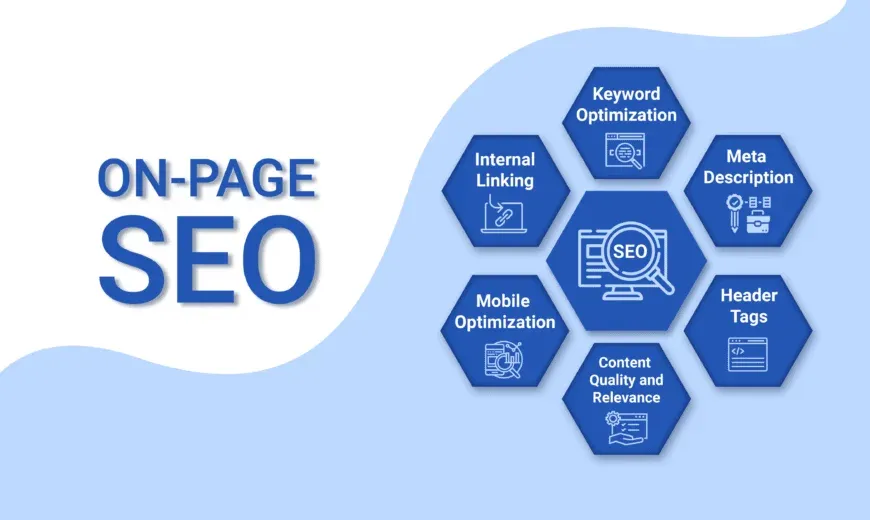
Search engine optimization continues to evolve every year, but one thing remains constant: strong on-page SEO still plays a major role in Google rankings.
In 2026, Google focuses more on user experience, content quality, semantic search, and search intent than ever before. Simply adding keywords to a page is no longer enough. Websites that rank consistently are the ones that create useful, organized, and trustworthy content.
If you want to improve your rankings and increase organic traffic, these on-page SEO techniques can help you stay ahead of the competition.
On-page SEO helps search engines understand:
- what your page is about,
- who it is for,
- and whether it deserves to rank.
Good on-page optimization also improves user experience, which directly affects:
- bounce rate,
- engagement,
- click-through rate,
- and conversions.
Modern SEO is no longer about tricks. It is about creating content that solves problems better than competitors.
Optimize for Search Intent First
One of the biggest ranking factors in 2026 is search intent.
Before writing content, ask:
- What does the user actually want?
- Are they looking for information, products, comparisons, or solutions?
For example:
- “best SEO tools” → comparison intent
- “what is technical SEO” → informational intent
- “hire SEO agency” → commercial intent
If your content does not match intent, rankings become difficult even with strong backlinks.
Best Practice
Analyze the top 10 Google results before writing your article. Understand:
- content format,
- article depth,
- keyword usage,
- and user expectations.
- Use Primary Keywords Naturally
Keyword stuffing is outdated.
Instead of repeating the same keyword unnaturally, focus on:
- semantic keywords,
- related phrases,
- and contextual relevance.
Google’s algorithms now understand topic relationships better than ever.
Example
Instead of using only:
“on-page SEO techniques”
Also use:
- SEO optimization tips
- content optimization
- internal linking
- search engine ranking methods
This creates more natural content and improves topical relevance.
- Write Better SEO Titles
Your title tag directly affects click-through rate.
A great SEO title should:
- include the primary keyword,
- create curiosity,
- stay under 60 characters,
- and provide clear value.
Good Example
10 On-Page SEO Techniques That Still Work in 2026
Weak Example
SEO Tips for Websites
The second title is too generic and less engaging.
- Improve Meta Descriptions
Meta descriptions may not directly improve rankings, but they increase clicks from search results.
Your meta description should:
- summarize the article clearly,
- include the keyword naturally,
- and encourage users to click.
Best Formula
Problem + Solution + Benefit
Example:
Learn the best on-page SEO techniques for 2026 to improve rankings, boost traffic, and optimize your website for Google updates.
- Structure Content with Proper Headings
Good structure improves both readability and SEO.
Use:
- H1 for the main title
- H2 for major sections
- H3 for supporting points
This helps search engines understand content hierarchy.
Additional Tip
Keep paragraphs short and easy to scan.
Large blocks of text reduce readability and increase bounce rates.
- Optimize Internal Linking
Internal linking remains one of the most powerful on-page SEO strategies.
It helps:
- distribute authority,
- improve crawlability,
- and keep visitors engaged longer.
For example, if you publish an article about technical SEO, link it to:
- Core Web Vitals guides,
- indexing tutorials,
- and website speed optimization posts.
Internal Linking Best Practices
- Use descriptive anchor text
- Link relevant pages only
- Avoid excessive links
- Update old posts regularly
- Focus on Content Quality and EEAT
Google increasingly rewards content that demonstrates:
- Experience
- Expertise
- Authoritativeness
- Trustworthiness
This concept is known as EEAT.
How to Improve EEAT
- Add real examples
- Include updated statistics
- Write detailed explanations
- Cite trustworthy sources
- Keep content accurate and current
Thin content with no depth struggles to rank in modern search results.
- Optimize Images for SEO
Images improve user experience, but they should also be optimized properly.
Image SEO Checklist
- Compress large images
- Use descriptive file names
- Add ALT text
- Use modern formats like WebP
- Ensure mobile responsiveness
Example ALT text:
“on-page SEO optimization checklist”
This helps search engines understand image context.
- Improve Page Speed and Mobile Experience
Google prioritizes websites that load quickly and work smoothly on mobile devices.
Slow websites often experience:
- higher bounce rates,
- lower engagement,
- and weaker rankings.
Ways to Improve Speed
- Use caching
- Minimize CSS and JavaScript
- Compress images
- Use fast hosting
- Enable lazy loading
A fast website creates a better user experience and improves SEO performance.
- Update Old Content Regularly
Fresh content performs better in competitive niches.
Instead of only publishing new articles, update older content by:
- adding recent information,
- improving headings,
- updating keywords,
- fixing broken links,
- and refreshing screenshots.
Google values content that stays relevant over time.
Common On-Page SEO Mistakes to Avoid
Many websites fail to rank because of simple mistakes.
Avoid These Issues
- Keyword stuffing
- Duplicate content
- Weak internal linking
- Slow website speed
- Missing meta tags
- Poor mobile optimization
- Thin content
- Ignoring search intent
Fixing these issues can significantly improve rankings.
Final Thoughts
On-page SEO in 2026 is no longer about manipulating algorithms. It is about delivering better experiences and more useful content.
Websites that:
- understand user intent,
- organize content properly,
- improve technical performance,
- and provide real value
are the ones that continue ranking successfully.
By applying these on-page SEO techniques consistently, you can improve visibility, increase organic traffic, and build long-term search authority.
Frequently Asked Questions
What is on-page SEO?
On-page SEO refers to optimizing elements within a webpage, including content, headings, keywords, meta tags, and internal links to improve search rankings.
Is on-page SEO still important in 2026?
Yes. On-page SEO remains one of the most important ranking factors because it helps search engines understand content quality and relevance.
How many keywords should I use in an article?
Focus on one primary keyword and several related semantic keywords used naturally throughout the content.
Does page speed affect SEO?
Yes. Faster websites provide better user experiences and typically perform better in Google rankings.
What is the ideal article length for SEO?
There is no exact number, but detailed and valuable content usually performs better than thin articles.
Conclusion
SEO trends continue to evolve, but the fundamentals of high-quality on-page optimization remain powerful. Focus on creating useful, fast, organized, and user-focused content instead of chasing shortcuts.
If you consistently apply these strategies, your website will be better positioned for long-term growth in Google search results.
Call to Action
Looking to improve your website rankings with professional SEO strategies?
Visit Get SEO Services for expert SEO solutions tailored for modern search engines.